Interview | Garmin’s VP Susan Lyman on the Health Summit and Why CIRQA Could Be Its Next Big Move
已更新:3天前
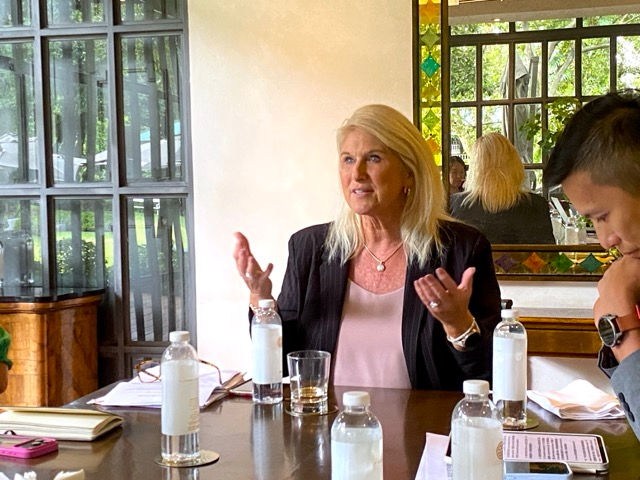
At a time when smartwatches keep getting bigger, brighter and more connected, Garmin is making an unexpectedly "quiet" move. Its new CIRQA Smart Band has no display, no notifications and no constant stream of messages competing for attention. Instead, it focuses on the basics: sleep, recovery, stress, activity and the small daily signals that shape how we feel.
For Garmin Vice President Susan Lyman, that simplicity is not a step backwards. It may be one of the company’s most strategic product directions yet.
“Some people really do want to disconnect and have a more discreet device,” she says. “They still care about their health and wellness measurements, but maybe they don’t want the text messages, emails and all of those stressy data points all day long.”

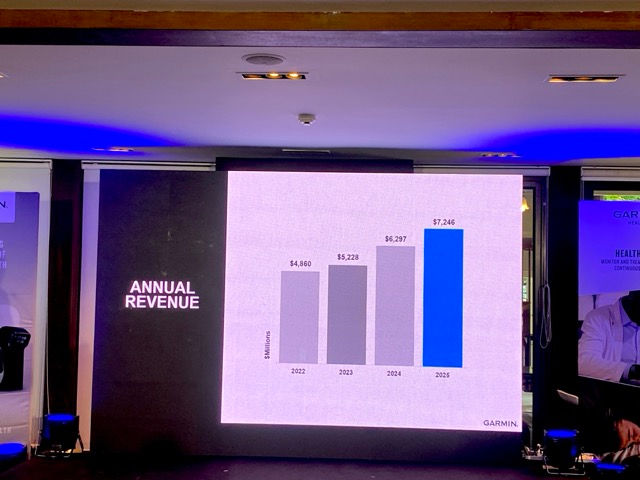
CIRQA arrived at an interesting moment. Garmin had just brought its annual Health Summit to Bangkok for a two-day event, bringing together innovators, healthcare leaders, insurers and technology partners from around the world. The event explored how wearable data is moving beyond personal fitness tracking and into healthcare, prevention, insurance and corporate wellness.
But amid all the talk of connected health ecosystems, CIRQA made a different kind of statement: sometimes the most powerful health technology is the one that asks for less of your attention.
Asia’s growing influence

Asia was a recurring theme throughout the Summit. Lyman sees the region as a major growth opportunity, particularly as running communities, wellness culture and interest in preventive health continue to expand.
“In Asia, we just see so much potential,” she says. “Compared with more mature markets in Europe and North America, Southeast Asia is still developing its running and fitness community. But the direction is clear: an active lifestyle is really a global thing.”

She also sees a broader cultural shift: fitness is becoming a social activity in its own right. “Instead of meeting at a bar, you’re meeting while you’re running and doing healthy lifestyle activities,” Lyman says.
That shift has implications for how Garmin designs its products. A device may be used for a marathon, a casual walk with a friend, a pickleball game or simply a better night’s sleep. The common thread is not performance at all costs, but a more intentional approach to health.

Aging is another major factor in Asia. Lyman says Garmin is focused on helping people maintain their health for longer. “We know it’s not just about our chronological or physical ages, your biological age matters even more,” she says.
Garmin’s answer is not just more metrics. Through the Garmin Connect app, its smart coaching tools aim to provide actionable guidance that helps users turn data into daily habits.
Asia is also becoming a source of product insight, not simply a market to sell into. Lyman points to golf as an example: Garmin’s Asian teams have developed features that reflect local playing culture, including making the caddie a more integrated part of the experience.
“If we were totally Western-oriented, we wouldn’t have this kind of idea,” she says. “But fortunately, we still have strong teams here and we can share our ideas with our global product.”
More than a fitness tracker

Garmin’s broader message at the Bangkok Summit was that its devices are becoming part of a larger health ecosystem. Its wearables, scales and connected health products generate data that can support everything from personal training decisions to corporate wellness programmes and healthcare innovation.
Lyman is careful not to overstate the technology. Garmin’s value, she argues, comes from making complex data useful in everyday life.

“People don’t just want the data. They want insights, personalised insights on how they can do better,” she says.
That philosophy is already visible in Garmin’s existing products. “Yesterday was a stressful day. I did not sleep well. Today, I’m going to try to have a more stress-free day, maybe not take that long run I thought I was going to do,” Lyman says, describing the kind of decision Garmin hopes its insights can support.
The company’s long battery life is central to this approach. “With devices that can last two to three weeks, customers are more likely to wear them overnight, creating a fuller picture of recovery, readiness and overall health,” she says.
A quieter kind of wearable

CIRQA is Garmin’s first screen-free band. It is designed to be worn continuously, tracking sleep, Body Battery, stress, Pulse Ox, heart-rate variability, skin temperature and women’s health metrics, while also supporting fitness training.
Unlike a smartwatch, it does not demand to be checked. There are no messages to answer and no brightly lit display pulling users back into their phones.
That restraint, Lyman believes, is exactly why it has resonated.

“We have so many different smartwatches with screens, and this band, we under-forecasted,” she says. “The interest level just shows some people really do want to disconnect and have a more discreet device.”
At the same time, Lyman emphasises that Garmin has not abandoned the smartwatch. Far from it. But CIRQA suggests that the company sees a growing group of consumers who want health insights without digital overload.

For some, it is a companion device. "Existing Garmin customers are buying CIRQA to wear while sleeping, or on days when they prefer a jewellery watch instead of a second smartwatch. For others, it may be their first step into the Garmin ecosystem. In Asia, the CIRQA band is the very first Garmin product for many customers,” she says.
That makes CIRQA more than a wellness accessory. It is a potential gateway product, one that introduces people to Garmin’s data, coaching and community before they ever consider a full sports watch.
Demand Garmin did not expect

The response to CIRQA has been strong enough that Garmin is still catching up with production.
“We’re sold out everywhere,” Lyman says. She describes the situation as a “happy problem”, and the demand further validates a hunch: people may be tired of being constantly connected. “Now it’s kind of great to put your phone away.”
Lyman says CIRQA’s screen-free design also gives it a different emotional appeal. “It has a comfortable band that allows you to wear it in addition to a Garmin smartwatch, and it’s simple enough for someone who does not identify as a serious athlete. If you prefer not to be distracted during your day, it gives you that option.”
Lyman also stressed another practical difference: CIRQA does not require a subscription. “You don’t want to give a person a present that they’re going to have to pay every month to enjoy,” she says. In a market where many fitness trackers and health apps increasingly rely on recurring fees, that positioning could become a meaningful differentiator.
A free ecosystem, with room to grow
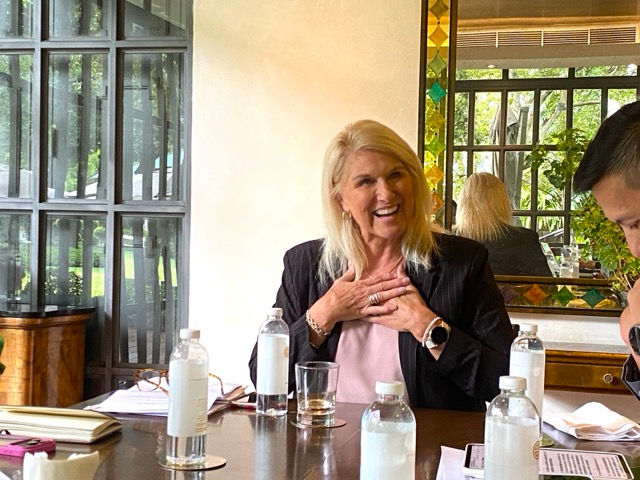
Garmin Connect remains the centre of Garmin’s ecosystem, with tens of millions of users tracking activity, sleep, training and health trends. While Garmin Connect Plus adds premium features such as nutrition tracking, Lyman stresses that the core platform remains free.
“We said we weren’t going to do it, but you have to prove it,” she says of concerns that Garmin might move features behind a paywall. “We relaunched new features and rolled them back to older products. We take care of our customers.”
Connect Plus brings nutrition into the same system as activity, weight and body-composition data from products such as the Index Scale. Users can log meals or photograph their food, adding “calories in” to the health picture.
What comes next

Lyman is cautious about AI, but sees its potential to make Garmin’s health data more useful. Garmin is not currently using AI to write its software, but she believes it could help interpret personal data more intelligently.
“Right now, we are still completely designing our products with our engineers and our engineering minds,” she says. “We do see potential for AI to be able to create an even greater experience of analysing personal data.”

The goal is not more notifications or complexity, but better guidance. With continuous data on sleep, activity and nutrition, Lyman believes AI could make training plans and health insights more personal.
"Beat Yesterday"
That is where CIRQA fits in. It may not have a screen, but it is designed to collect the everyday data that could eventually power more personalised insights. As Lyman puts it: “It’s not about being the best. It’s about beating your best.”



留言